

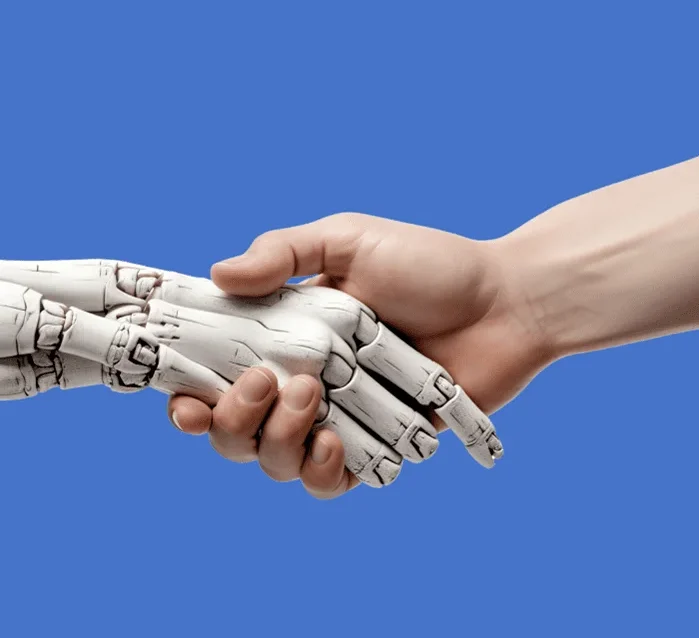
Artificial Intelligence (AI) is transforming the corporate world, streamlining operations, and enhancing decision-making. However, with great power comes great responsibility. Using AI responsibly is essential to protect sensitive information, maintain trust, and ensure compliance.
The first step is to protect confidential data. Employees should never share sensitive company, client, or personal information with AI tools unless they are secure and officially approved. Human oversight is equally important, AI should assist decision-making, not replace human judgment or accountability.
All AI-generated outputs must be reviewed and validated before implementation. This ensures accuracy and reduces the risk of errors. Avoid full automation of critical processes without supervision, especially when tasks are high-risk.
Ethics should guide AI usage. Regularly assess AI outputs for bias and ensure decisions remain fair and inclusive. Compliance with laws and regulations is non-negotiable; AI must be used in alignment with data protection laws, industry standards, and internal company policies.
Organizations should encourage employees to use approved AI tools only and provide training on responsible AI use. Clear guidelines help staff understand when, how, and when not to leverage AI. Transparency is also crucial; teams should communicate where AI is applied in workflows and decision-making processes.
Finally, AI usage should be monitored and improved continuously. Regular reviews of performance, risk, and impact ensure that AI remains a safe, effective, and ethical tool. By following these principles, corporations can harness AI’s power responsibly, balancing innovation with accountability.